How to Get Your First Clients as a Vibe Coder
A practical guide for vibe coders: build a portfolio, describe case studies, set a fair price, and get your first client orders.
In brief
- • Build a portfolio that shows outcomes, not only technologies
- • Describe case studies without exposing private data
- • Get first orders through clear stages and acceptance
ContentsShow sections
The sentence “I build websites with AI tools” rarely wins a client by itself. A client needs something more practical: proof that you can build a working product, handle unclear requirements, and explain what happens at each stage. Vibe coding can make the work faster, but speed does not replace trust.
You do not need dozens of commercial projects to get your first orders. A few clear examples, an honest description of your role, and a calm way to start are enough to make the conversation useful. This guide explains how to build a vibe coder portfolio, describe your offer, and move the discussion from “what can AI do?” to “what result will we get?”
Why a good prototype does not sell the service by itself
A vibe coder can build an impressive screen in one evening. The client is not buying the screen or the demo, though. They need a user scenario that works: a request is sent, data is stored, a notification arrives, and the next person knows what to do.
A prototype usually carries less responsibility. It helps test an idea, but it may not be ready for real data, edge cases, mobile devices, or handover to another person. That is why a profile should avoid promises such as “I can build everything overnight.” A stronger offer is specific: build the first version of a service, validate one main flow, connect an integration, or prepare an interface for user testing.
The client should be able to see the boundary between a fast prototype and a product that can be shown to real users. Naming that boundary yourself builds trust. It shows that you are not just operating a generator. You are responsible for the result.
What belongs in a vibe coder portfolio
A portfolio does not have to be large. Start with two or three projects that show different parts of your approach. Each case should answer four simple questions:
- what problem the product had to solve;
- what you personally delivered;
- what can be opened or checked now;
- which limits remained in the first version.
The last point is often missing. It should not be. If a case says that payments or complex user roles were outside the first stage, that is not a weakness. It gives the client a realistic scope and shows that you can manage expectations.
Screenshots alone do not explain much. Add a short video of the main flow, a link to a working version, or a few before-and-after frames. If the project is private, show a mockup, anonymized screens, and the logic of the solution without exposing confidential data. Do not publish a client’s code or materials just to make a case study look stronger.
If you do not have commercial projects yet
Your first portfolio piece can be your own product. That is fine as long as you do not present it as client work. Build a small product around a clear scenario: a request form, a catalog, a team dashboard, a small service, or an AI feature inside an existing process.
Label it as a personal or learning project. Then explain which idea you tested, which tools you used, and what you would change after user feedback. This shows your thinking more clearly than an empty profile with a long technology list.
Another option is to turn experience from another field into a digital scenario. Do not just write “I worked in sales.” Show how you built a lead qualification form and a small interface for handling those leads. Subject knowledge can matter more than the number of lines of code.
Personal projects also help you choose a niche. If you are interested in websites for small businesses, you do not need to claim expertise in banking platforms, games, and complex enterprise systems at the same time. A focused offer is easier to remember and easier for a client to match with a real task.
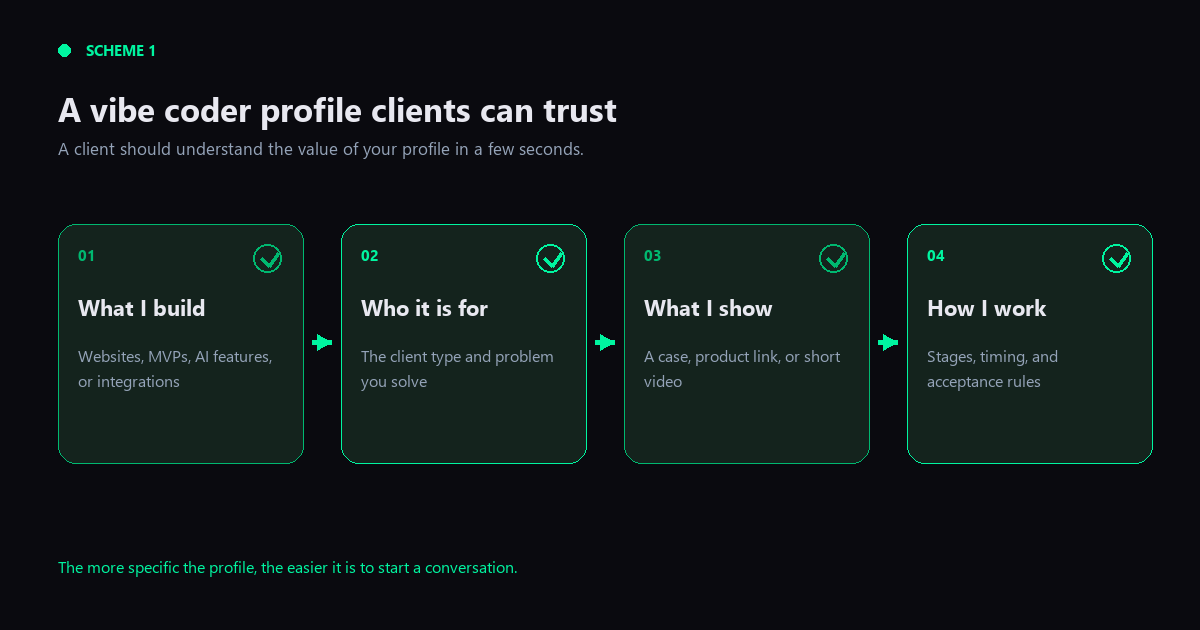
Scheme 1. What a client should understand from a vibe coder profile.
How to describe a case without exposing private data
A case study can be useful without source code or exact business metrics. Describe the work at a level that protects the client:
- Context. Who needed the product and which action was it meant to simplify?
- Solution. Which screens, roles, integrations, or automations did you build?
- Validation. How did you test the main scenario and failure cases?
- Result. What can now be shown, tested, or handed over to a user?
Do not invent numbers to make the case sound more convincing. If you do not have conversion data, do not claim that conversion increased. You can say that you removed a manual step, built the first version, or prepared the product for a demo. A precise modest statement is stronger than a random percentage.
State your role clearly. On a larger project, you may have worked on the interface, an AI agent, an integration, or testing rather than the whole product. The client should know this before the conversation begins. They can then match the next task to the experience you actually have.
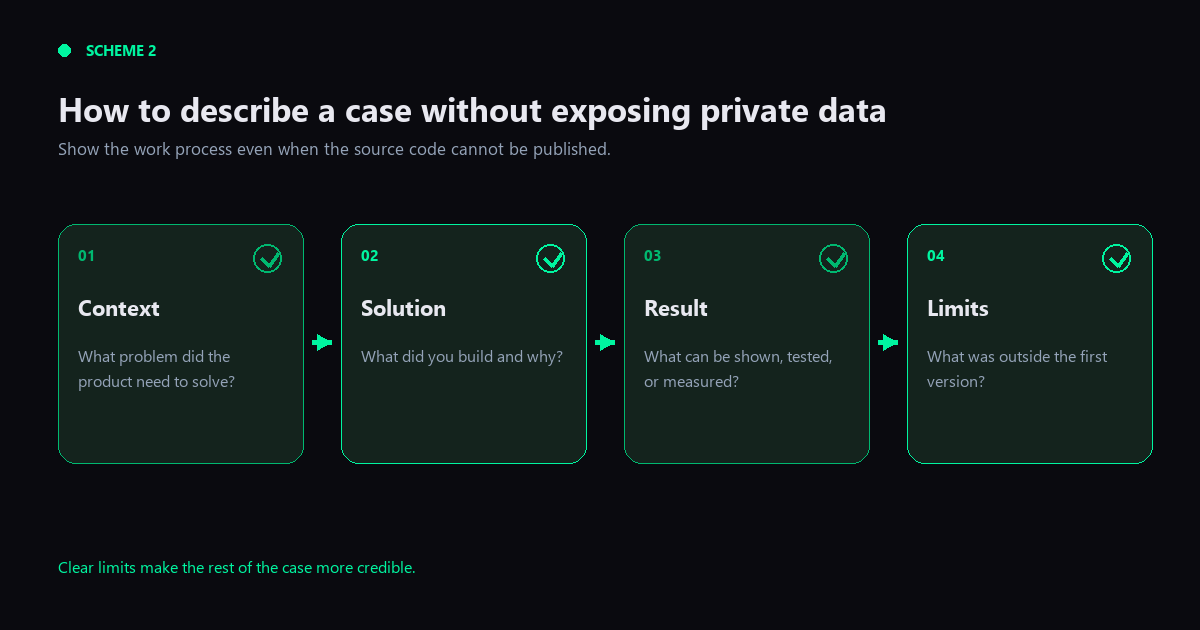
Scheme 2. How to describe your work when the source code cannot be published.
How to set a price without turning the conversation into a bargain
A price without scope does not tell the client much. A one-line estimate raises practical questions: does it include mobile support, who prepares the content, what happens with bugs, who connects an external service, and how is the result accepted?
For an initial conversation, split the offer into stages. For example: a short task review, a prototype of the main flow, a working first version, testing, and handover. For each stage, name the result and the conditions that affect timing. If the client changes the scenario, that change should be visible before the next stage begins.
There is no need to underprice your work just to get a first review. That approach quickly leads to exhaustion and conflict. A smaller first stage with a limited scope is more useful for both sides. It tests the working format without promising a whole product at a prototype price.
If you do not know the market rate yet, compare more than numbers. Think about how long the task takes, what responsibility you are taking on, and what will remain after the stage is complete. A good offer explains the price without a long defense of the price.
How to talk to a client before work starts
The client does not need to know the difference between Cursor, Claude Code, Codex, or other tools. They need to understand what will happen to the task. Start with five practical questions:
- who will use the product;
- which path should the user complete;
- what is essential for the first version;
- which data and services already exist;
- how will the client know that the stage is complete?
Then explain where AI will speed up the work and where manual review is required. Vibe coding is useful for fast interface iterations and a first working structure. Authentication, payments, permissions, data, and project handover still need care regardless of the tool.
Do not hide uncertainty when the task has no clear boundaries yet. It is better to say that one scenario should be tested first than to promise a deadline for a product that has not been defined. A client may not know the technical details, but they notice when an answer does not address the question they asked.
How to get your first orders on VibeMarket
Start with a specific service instead of a general status such as “available for work.” For example: “I will build an MVP with one key user role,” “I will add an AI feature to an existing website,” or “I will turn an idea into a clickable prototype.” A concrete offer helps a client recognize their own task.
On VibeMarket, you can browse the developer catalog, review the services section, and create a new order. Your profile should show a relevant case, the working stages, and the first step you suggest to the client.
Your first reply does not need to be a long autobiography. Say which part of the task you understood, which question needs clarification, and what can be checked in the first stage. If you have a similar case, add the link and explain what is relevant about it.
The first order does not have to be large. A small, clearly accepted stage gives you experience with communication, review, and handover. After that stage, you have more than a review. You have material for the next case study.
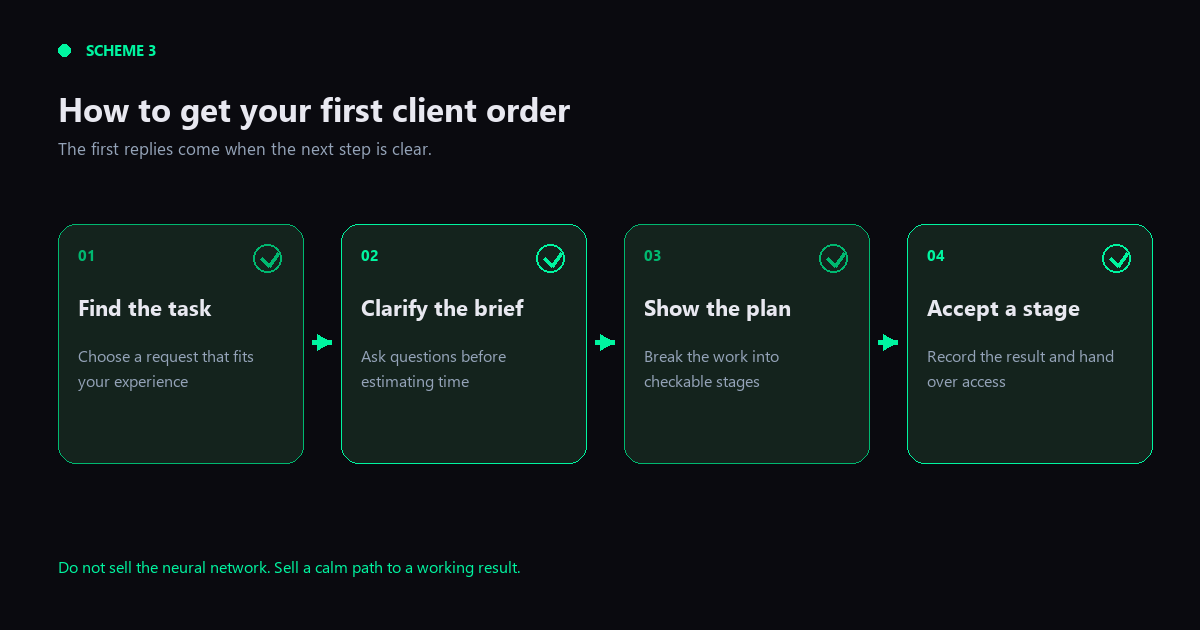
Scheme 3. Four steps from a suitable task to your first accepted stage.
A short profile template
You can start your profile with three short paragraphs:
“I help [type of client] build [a specific product or feature]. I use AI tools for fast iterations, but I manually check the working flow, data, and project handover.
My portfolio includes [two or three relevant cases]. Each case explains the problem, my role, and what can be checked now.
I start with a short task review, then suggest a first stage with a clear result. Before work begins, we agree on the scope and acceptance process.”
Do not copy the template word for word. Its purpose is simple: the client should quickly understand who you help, what result you can deliver, and how the work begins.
A new vibe coder does not need to pretend to be a large studio. First orders usually come from a clear case, a careful conversation, and a result that can be checked. That is what belongs in your profile and on the marketplace.
Discussion
Comments
No comments yet. Be the first to share your experience.
Sign in to join the discussion →