VibeMarket: From Product Idea to a Working MVP
A practical introduction to VibeMarket for founders and teams who need to turn a product idea into a working MVP with the right developer.
In brief
- • Define the first-version result
- • Compare developers by actual work
- • Choose direct deal or escrow
ContentsShow sections
An idea usually arrives before the team. It is easy to imagine that the first version can be built alone: open a no-code tool, connect an AI assistant, follow a few tutorials and keep moving until the product looks real.
That approach can be useful. A quick prototype is a good way to test whether an idea is worth pursuing. The difficulty starts when the prototype has to serve real people. Authentication, payments, data, integrations, error handling, deployment and a launch date all appear at once. The task stops being “write some code” and becomes a series of product and engineering decisions.
Vibe coding MVP experiments can shorten the distance between an idea and a demo. They do not remove the need to decide what the first version must do, who should build it and how the work will be accepted. This is where VibeMarket is useful: it gives a project a clear starting point, helps a client compare developers by actual work and leaves room to choose a deal format that fits the situation.
What VibeMarket is
VibeMarket is a development marketplace where clients and developers meet around a concrete task. A client can describe a project, choose a service direction or browse coder profiles. A developer can show shipped work, explain an area of expertise and respond to projects that match their experience.
The useful idea is simple: begin with the result you need, then discuss the technology required to deliver it. A founder may need a first MVP. A small team may need an internal dashboard or an API integration. A business may need a Telegram Mini App, an ecommerce flow or a service that connects several existing tools. These are different tasks, even when they all start with the same sentence: “I have an idea, but I need help turning it into a product.”
For the client, the platform creates a shorter path from a rough idea to a brief, developer proposals and a reasoned choice. For the developer, it creates a place to present real work instead of relying only on a list of technologies.
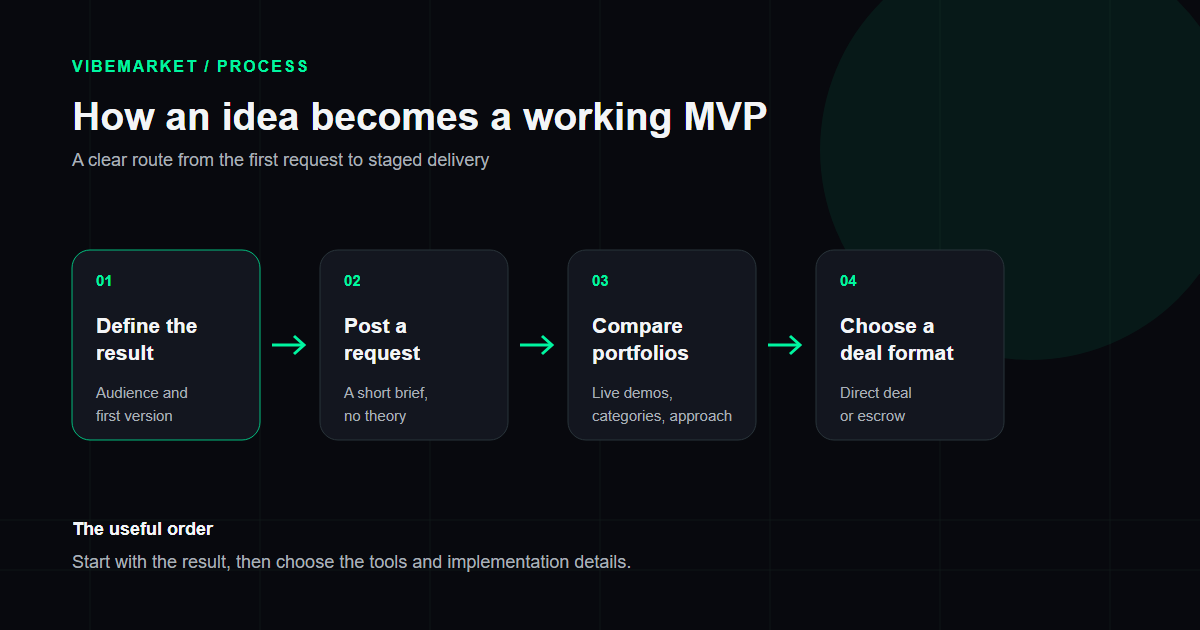
Scheme 1. How an idea becomes a working MVP.
Start with the result, not a twenty-page technical brief
Many projects are delayed because the owner believes they must understand the entire architecture before asking for help. Usually, the first useful step is much smaller: describe what the product should help someone do.
VibeMarket’s project request page is built around that first conversation. It asks for a short description of the task and the project context. The page explains that a manager will clarify the brief, estimate it and prepare an order for developer proposals. This gives a client a practical entry point even when the technical details are still open.
That does not mean a short brief is enough for every decision. It means the brief can grow from a clear product goal instead of starting as a document full of assumptions. It is enough to explain who the users are, what problem they have, what must work in the first version and when the first result is needed. A developer can then help turn those answers into a realistic scope.
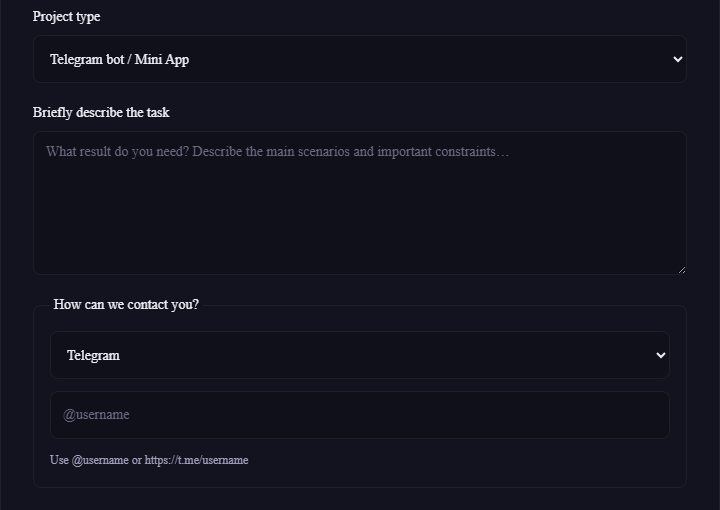
Image 2. Short project request in the English interface.
Choose a developer by work you can open
A resume and a technology list are useful, but they do not answer the most important question: can this person handle a task close to yours?
The VibeMarket coder catalog is designed to make that comparison more concrete. Developers can be explored by categories and profiles, with attention on live demos and previous work. When a project is close to an existing case, the conversation can start with something specific: an interface, a user flow, an integration or a working feature.
This does not replace questions about communication, timing, stack or support after launch. A portfolio is a starting point, not a guarantee. It does make the first selection less abstract. Instead of asking only “Can you build this?”, a client can ask “How does this previous work relate to the problem I need to solve?”
Several proposals can then be compared on more than price. Look at the similarity of the work, the clarity of the first stage, the developer’s questions and the way risks are explained.
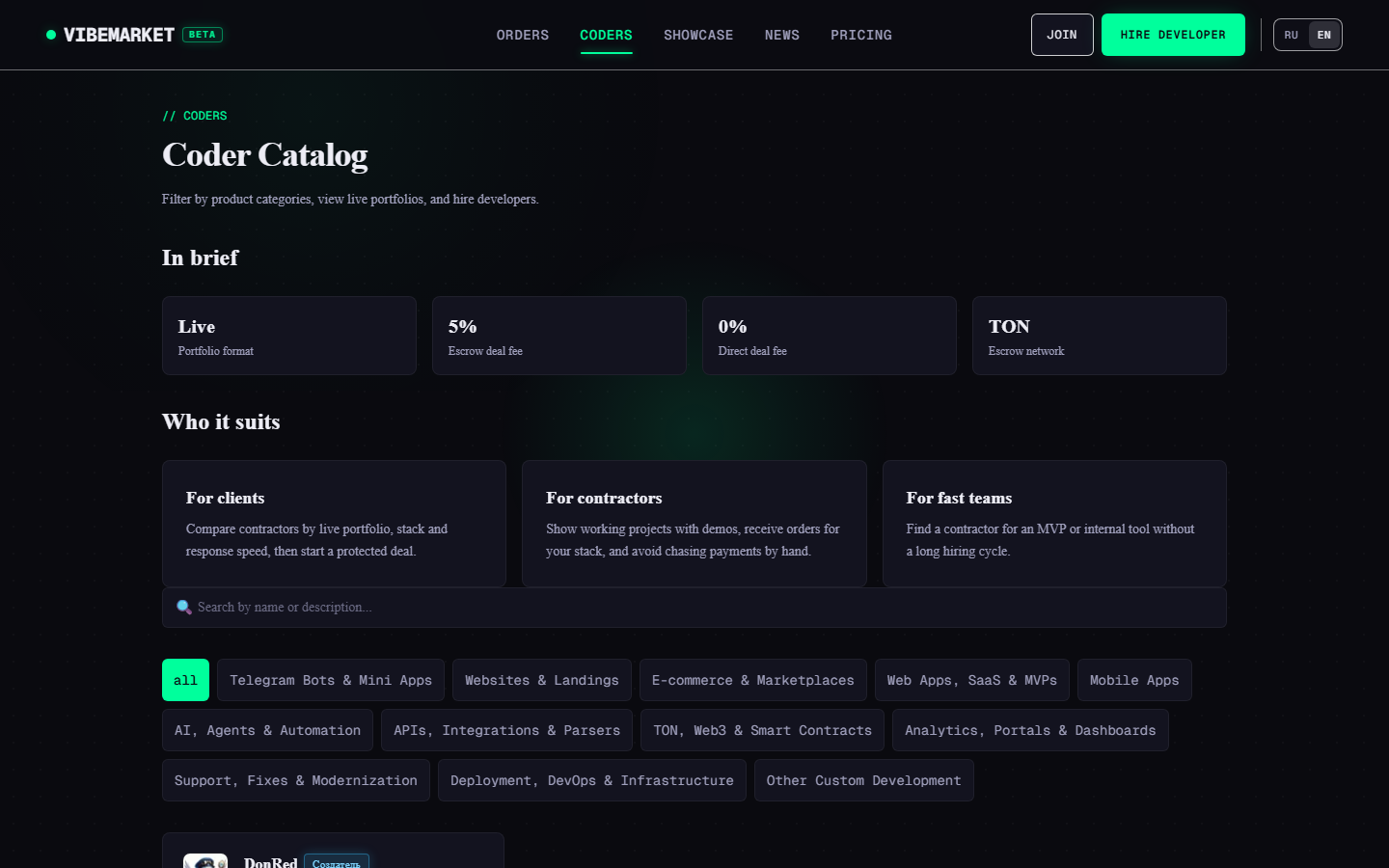
Image 3. Developer catalog.
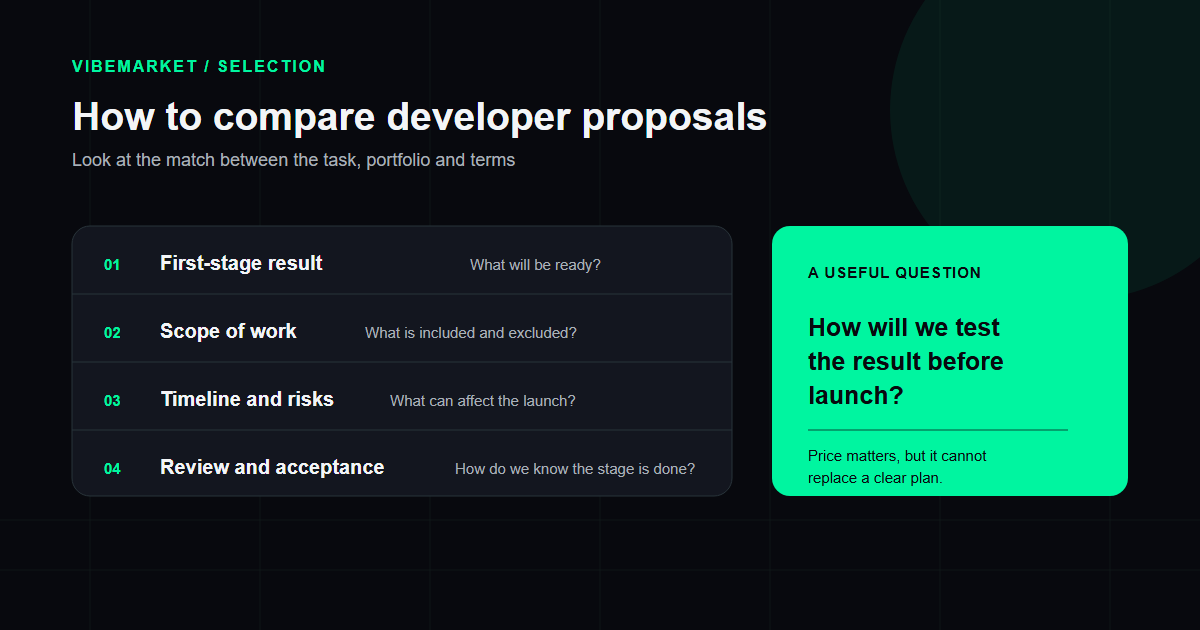
Scheme 2. How to compare developer proposals.
Start with a clear request or a service type
Not every project needs the same route. If the task is already clear, it can be posted as a project and sent to developers for proposals. If the product direction is clearer than the specification, it can be easier to begin with a service category.
The English services catalog currently shows 14 categories. They cover common starting points such as Telegram bots and Mini Apps, landing pages, MVP development, web applications, API integrations, AI automation, ecommerce and marketplaces, mobile applications, TON and Web3 development, dashboards, DevOps and custom development.
The value of a catalog is not just the list. It helps turn a broad idea into a more useful conversation. Do you need an MVP, one integration, an internal tool or a complete customer-facing service? The closest category gives the request a first shape and helps a developer understand what kind of result is expected.
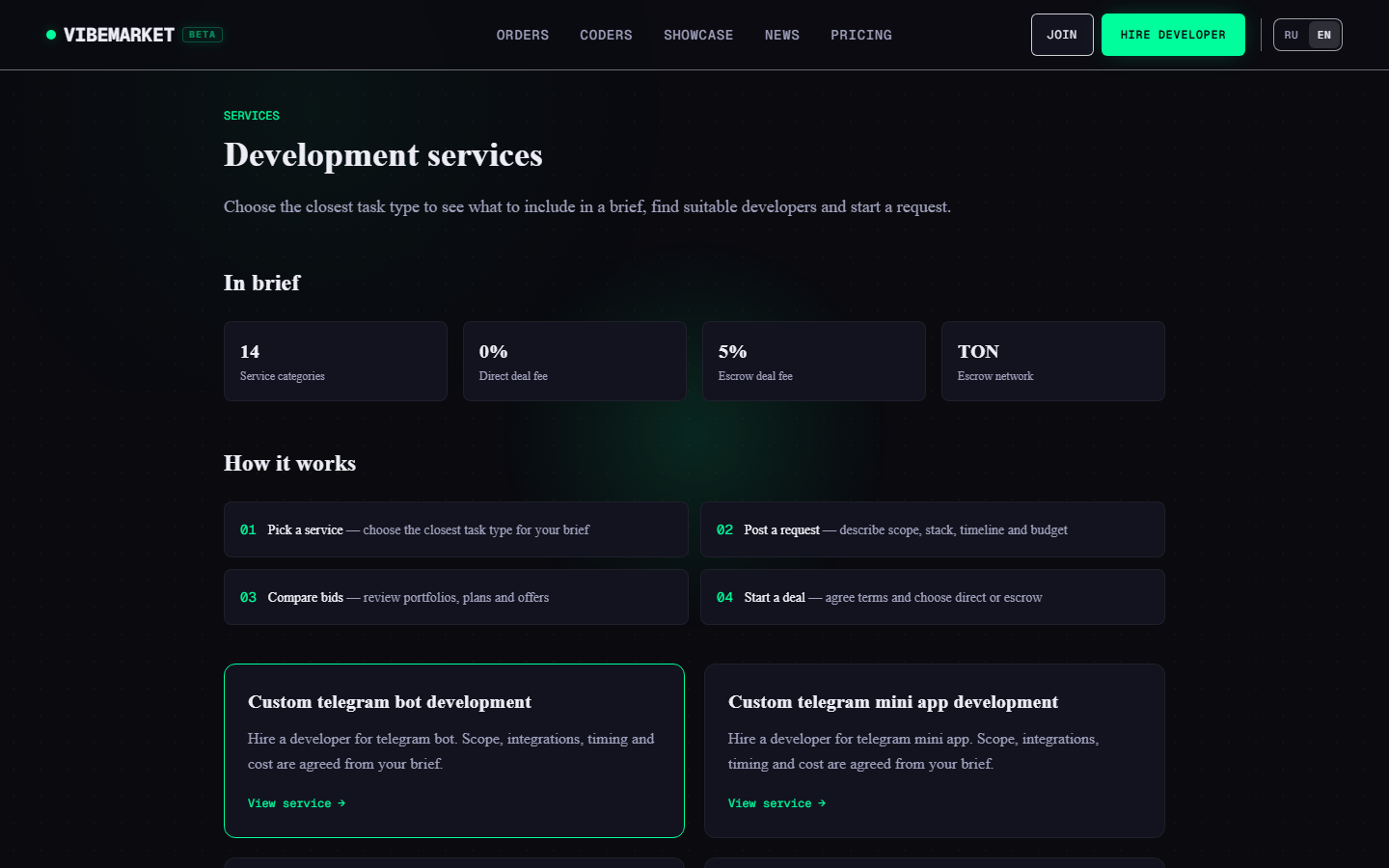
Image 4. Development services catalog.
Two deal formats for different situations
VibeMarket shows two ways to structure a deal: a direct deal and an escrow deal. A direct deal can suit two sides that have already discussed the terms and are ready to work with each other directly. Escrow is useful when the work should be divided into stages and the payment order should be agreed before development begins.
At the time of capture, the English interface showed a 0% platform fee for a direct deal, a 5% fee for an escrow deal and TON Escrow as the escrow network. These conditions should be checked in the current interface before payment, then confirmed with the developer for the specific project.
Whichever format is chosen, it helps to write down what belongs in the first version, how a stage will be accepted, which dates are checkpoints and what happens when the scope changes. The marketplace provides structure, but clear communication between the client and developer remains essential.
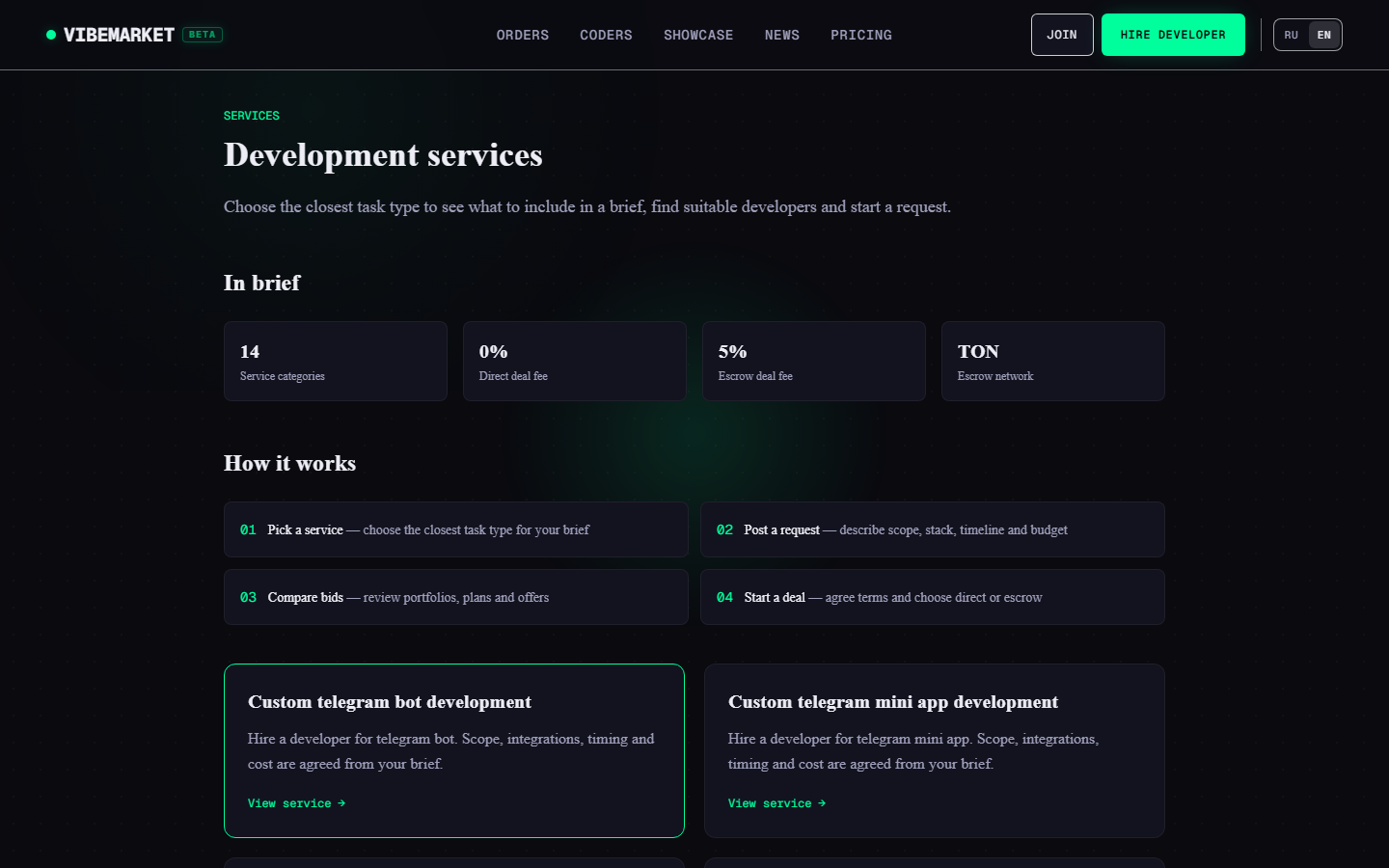
Image 5. Service flow and deal information.
Why hiring development help can beat building everything from zero
Building a first version yourself is a reasonable choice when the goal is to learn, validate a simple idea or create a private prototype. It becomes less attractive when the product must work for other people and the owner is learning several disciplines at the same time.
The hidden cost is rarely the first screen. It is the time spent discovering that a login flow does not cover the real user journey, that payments need error and refund cases, that data needs a safer structure or that the first implementation is difficult to extend. These problems sit between design, logic, data, security and deployment. They usually appear after the prototype looks finished.
Ordering development does not remove the need for the client to make decisions. It can, however, reduce the cost of learning every technical detail alone. The client brings the product context and decides what matters first. The developer contributes implementation experience and points out risks earlier. The work becomes easier to discuss in stages, with a visible result at each checkpoint.
That is the practical reason to use a marketplace such as VibeMarket. You are not only buying lines of code. You are shortening the search for a suitable developer, comparing relevant work and turning an open-ended idea into a sequence of decisions that can be reviewed.
What to prepare before submitting a request
A useful first request does not require technical terminology. Four answers are enough to make the starting point much clearer:
- Who will use the product?
- What problem should it solve?
- What must work in the first version?
- By what date or milestone do you need a testable result?
If you have examples of similar services, rough screens, a brand guide or links to products you like, include them. An approximate budget is also helpful. The goal is not to predict the entire architecture in advance. The goal is to be honest about priorities, constraints and the first result that would make the project worth continuing.
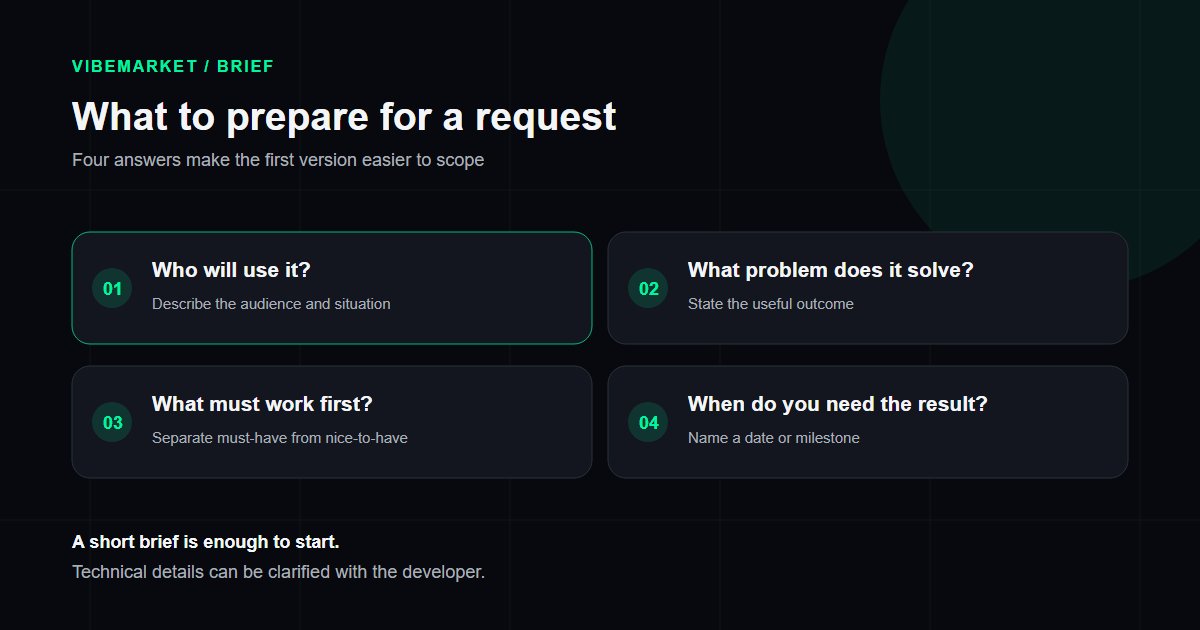
Scheme 3. What to prepare for a request.
VibeMarket is for people who need more than code
A strong first version starts with a simple question: what should a user be able to do when the product is ready? VibeMarket helps move from that question to a short request, a relevant service direction, real developer work, comparable proposals and a deal format that can be discussed openly.
If the task is already clear, start with a project request. If you want to understand who might be a fit, browse the coder catalog. If the idea is still taking shape, use the development services catalog or start with the MVP development direction.
The point is not to make every project follow one template. It is to give a good idea a practical next step before it gets lost in research, scattered chats or an unfinished prototype.
Discussion
Comments
No comments yet. Be the first to share your experience.
Sign in to join the discussion →